What's Growing On? What You Need to Know About the Cyclospora Outbreak This Summer
Jul 13, 2026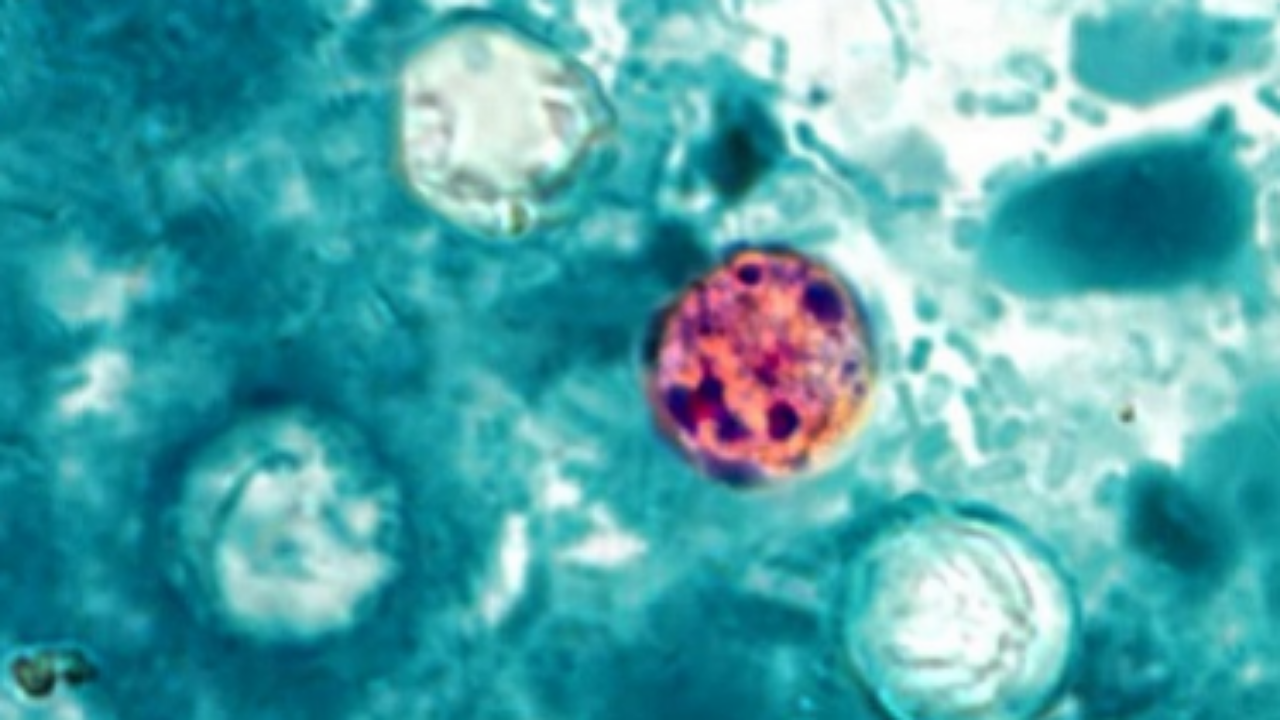
If you've seen headlines about a parasite outbreak linked to fresh produce, you're not alone. Stories about Cyclospora have been making national news this summer, leaving many people wondering whether it's still safe to enjoy salads, berries, and fresh herbs. The short answer? Yes, but with a little extra awareness.
What is Cyclospora?
Cyclospora (Cyclospora cayetanensis) is a microscopic parasite that infects the small intestine and causes an illness called cyclosporiasis and has been a nationally notifiable disease since 1999 (CDC, 2026). Unlike many common causes of food poisoning, symptoms typically don't appear until one to two weeks after exposure, making outbreaks much more difficult to recognize and trace back to a specific food source. According to the CDC, the parasite spreads through food or water contaminated with human feces. In the United States, outbreaks are almost always linked to fresh produce rather than person-to-person contact.
What We Know About the Current Outbreak
- 1,645 confirmed domestically acquired cases*
- More than 5,100 cases requiring further analysis*
- 141 hospitalizations*
- 0 deaths
- 34 states reporting cases*
- 843 confirmed domestically acquired cases
- More than 1,500 additional suspected cases under investigation
- 86 hospitalizations
- 0 deaths
- 32 states reporting confirmed cases
The CDC, FDA, and state health departments are actively investigating multiple outbreaks across the country to identify the contaminated food source. At this time, no single product, grower, distributor, or supplier has been confirmed. One important detail that many headlines leave out is that public health surveillance takes time.
The CDC estimates there is approximately a six-week reporting lag between when someone becomes sick and when their confirmed case appears in national surveillance data. That means the number of confirmed cases will likely continue to increase over the coming weeks as additional laboratory results are reported.
Yes.
Alabama is among the 34 states reporting domestically acquired cases of Cyclospora this season, with Michigan being the highest. It's also important to remember that confirmed cases likely underestimate the true number of illnesses. Some people recover without seeking medical care, while others may never receive the specific laboratory testing needed to diagnose Cyclospora.
Who Is Being Affected?
- Patients range in age from 5 to 88 years old
- The median age is 44 years
- 59% of confirmed cases are women
- 141 people have required hospitalization
- No deaths have been reported
Which Foods Are Being Investigated?
Although investigators have not identified the exact source of this outbreak, Cyclospora has historically been associated with:
🥬 Leafy greens and salad mixes
 Fresh herbs such as cilantro and basil
🫛 Snow peas
🫐 Fresh berries
What Symptoms Should You Watch For?
- Severe watery diarrhea (sometimes described as explosive)
- Stomach cramps
- Bloating
- Fatigue
- Loss of appetite
- Weight loss
- Low-grade fever
- Occasional nausea
Unlike many forms of food poisoning that improve after a day or two, Cyclospora infections often follow a relapsing pattern, where symptoms improve temporarily before returning and may last for several weeks if left untreated.
When Should You See Your Healthcare Provider?
If you've experienced persistent diarrhea, especially after eating fresh produce, it's encouraged to not assume it's a stomach bug. Cyclospora is not included on many routine stool testing panels, meaning your healthcare provider may need to specifically order testing if they suspect the infection.
If diagnosed, Cyclospora is typically treated with a prescription antibiotic (CDC, 2024).
While over-the-counter anti-diarrheal medications may help manage symptoms, they do not eliminate the parasite itself.
Practical Ways to Reduce Your Risk
While investigators continue working to identify the source of this outbreak, there are several practical steps you can take to reduce your risk while still enjoying fresh fruits and vegetables.
🥬 Consider Whole Heads of Lettuce Instead of Bagged Salad Mixes
During this outbreak, some state health departments—including the Michigan Department of Health and Human Services—are encouraging consumers to choose whole heads of lettuce or leafy greens over pre-washed, bagged salad mixes when possible (Naig, 2026).
Bagged salad mixes often combine produce from multiple farms, increasing the number of potential contamination points. In addition, once leafy greens are chopped, the exposed edges create more surface area where microorganisms can adhere.
🥬 Remove the Outer Leaves
If you're purchasing whole heads of lettuce, cabbage, or similar leafy vegetables, consider removing and discarding the outer two to three leaves before washing the remaining produce under cool running water.
Those outer leaves experience the greatest exposure during growing, harvesting, transportation, and handling.
 Wash Produce Thoroughly
Always rinse fruits and vegetables under cool running water before eating, cutting, or cooking them.
Many households also use commercial produce washes or home methods such as baking soda or vinegar rinses as part of their regular produce-cleaning routine. While these methods may help remove dirt and surface debris, no home washing method has been proven to completely eliminate Cyclospora if produce is contaminated.
 Heat Provides the Greatest Protection
Unlike washing alone, thorough cooking can inactivate Cyclospora.
Heating produce to approximately 158°F (70°C) or higher can destroy the parasite (CDC, 2026).
If you're preparing meals for someone at higher risk, such as pregnant women, young children, older adults, or individuals with weakened immune systems, consider cooking leafy greens and herbs instead of serving them raw until investigators identify the source of the outbreak.
Fresh herbs can easily be added to soups, sauces, stir-fries, and other cooked dishes while still providing excellent flavor.
The WellGrown Takeaway 
Fresh fruits and vegetables are still an essential part of a healthy diet, and there’s no reason to avoid them altogether. The goal isn’t to eliminate nutritious foods — it’s to reduce risk. Stay hydrated, pay attention to how your body feels, and reach out to your healthcare provider if gastrointestinal symptoms persist or return.
One thing I appreciate about the CDC’s response is its transparency. Public health investigations take time, and guidance can evolve as new information emerges. That’s why staying informed through trusted sources matters.
At The WellGrown Collective, we don’t share health news to spark fear — we share it to inform our community with clarity and confidence. We’ll continue monitoring updates from the CDC and FDA and will pass along new guidance as it becomes available.
Until next time, stay rooted, stay informed, and stay WellGrown.- Centers for Disease Control and Prevention. Surveillance of Cyclosporiasis (Updated July 10, 2026). https://www.cdc.gov/cyclosporiasis/php/surveillance/index.html
-
CDC. (2024a, March 4). Preventing Cyclosporiasis. Cyclosporiasis. https://www.cdc.gov/cyclosporiasis/prevention/index.html
-
CDC. (2024b, March 8). Clinical Care of Cyclosporiasis. Cyclosporiasis. https://www.cdc.gov/cyclosporiasis/hcp/clinical-care/index.html
- Naig, A. (2026). Protect Yourself and Your Family During the Ongoing Cyclospora Outbreak [Review of Protect Yourself and Your Family During the Ongoing Cyclospora Outbreak]. Iastate.Edu. https://www.extension.iastate.edu/news/protect-yourself-and-your-family-during-ongoing-cyclospora-outbreak
- TIME. What to Know About the 2026 Cyclospora Outbreak. https://time.com/article/2026/07/08/cyclosporiasis-outbreak-diarrhea-produce/
Stay connected with news and updates!
Join our mailing list to receive the latest news and updates from our team.
Don't worry, your information will not be shared.
We hate SPAM. We will never sell your information, for any reason.